
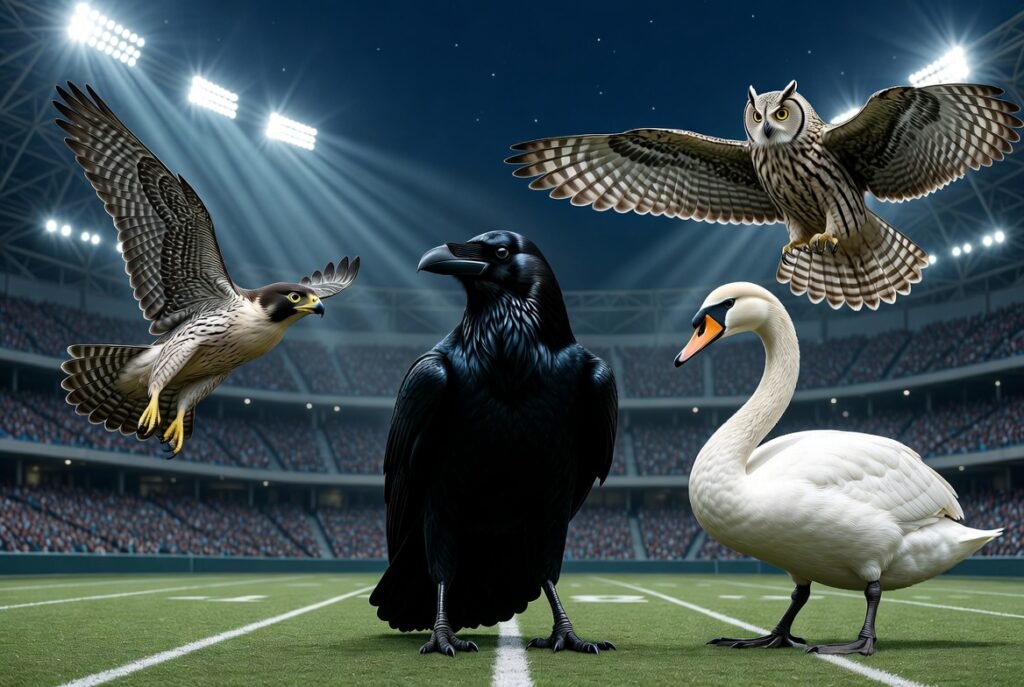
The Super Bowl Nature Has Always Been Playing
Every year, the Super Bowl celebrates speed, strength, strategy, and teamwork. Fans analyze plays, debate MVPs, and admire athletes who seem almost superhuman.
But here’s the secret:
Nature invented this competition long before humans built stadiums.
For millions of years, birds have competed for food, territory, mates, and survival—using intelligence, coordination, and physical performance that rival any professional sport. So what if the Super Bowl didn’t belong to humans at all?
Welcome to Nature’s Ultimate Championship, where birds take the field and evolution sets the rules. 

Why Sports & Nature Follow the Same Playbook
At first glance, football and wildlife seem worlds apart. In reality, they operate on the same biological principles.
Survival: The Original Championship
In nature, every decision matters. A faster reaction, better positioning, or smarter move can determine whether a bird eats—or becomes prey.
Unlike sports, there’s no off-season.
Strategy: Intelligence Over Strength
Many bird species rely on planning, memory, and adaptability. They observe patterns, anticipate rivals, and change tactics when conditions shift—skills identical to elite athletes reading the game.
Teamwork: Winning Is Rarely Solo
From synchronized murmurations to cooperative hunting, birds demonstrate that teamwork increases survival. Coordination isn’t optional—it’s evolutionary success.
This is why birds make such perfect Super Bowl contenders.
Positions Explained: The Ultimate Avian Team
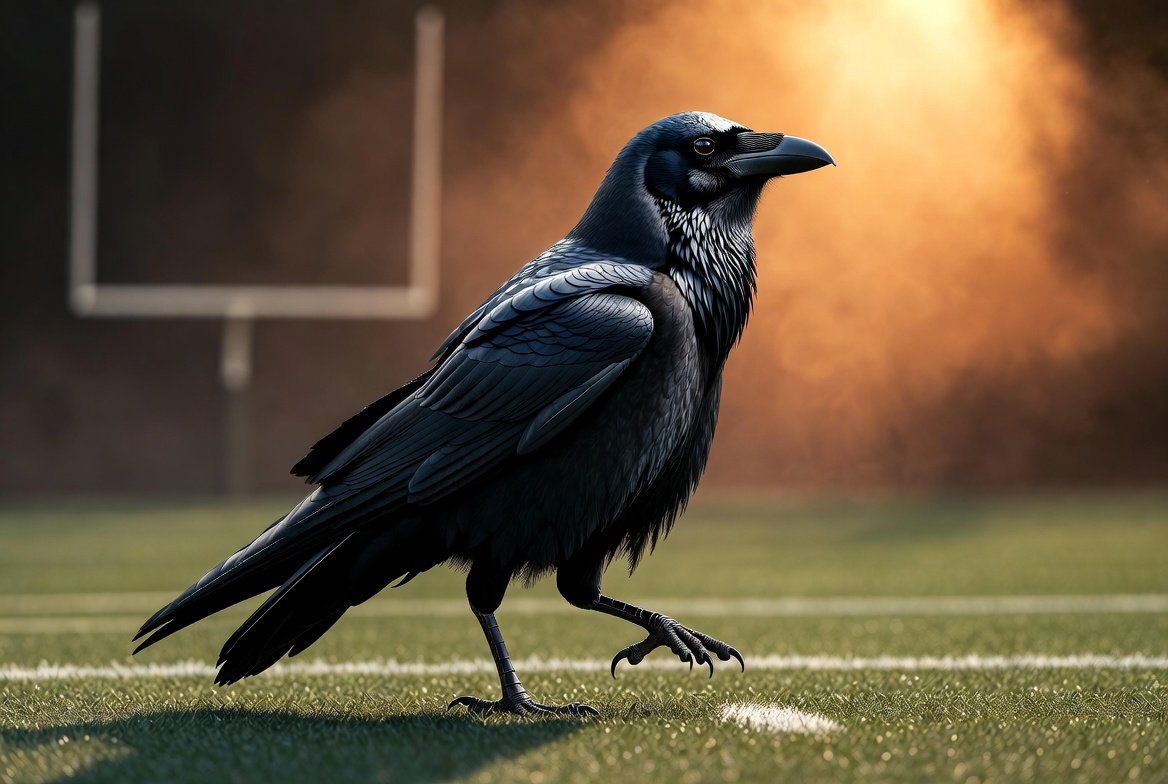
 Quarterback — The Raven
 Quarterback — The Raven
Species: Common Raven (Corvus corax)
Defining Trait: Advanced intelligence and problem-solving
Ravens are among the smartest birds on Earth. They can plan for the future, use tools, recognize individuals, and even deceive other animals.
Fun Analogy:
The raven doesn’t just run the offense—it reads the entire field like a chessboard.
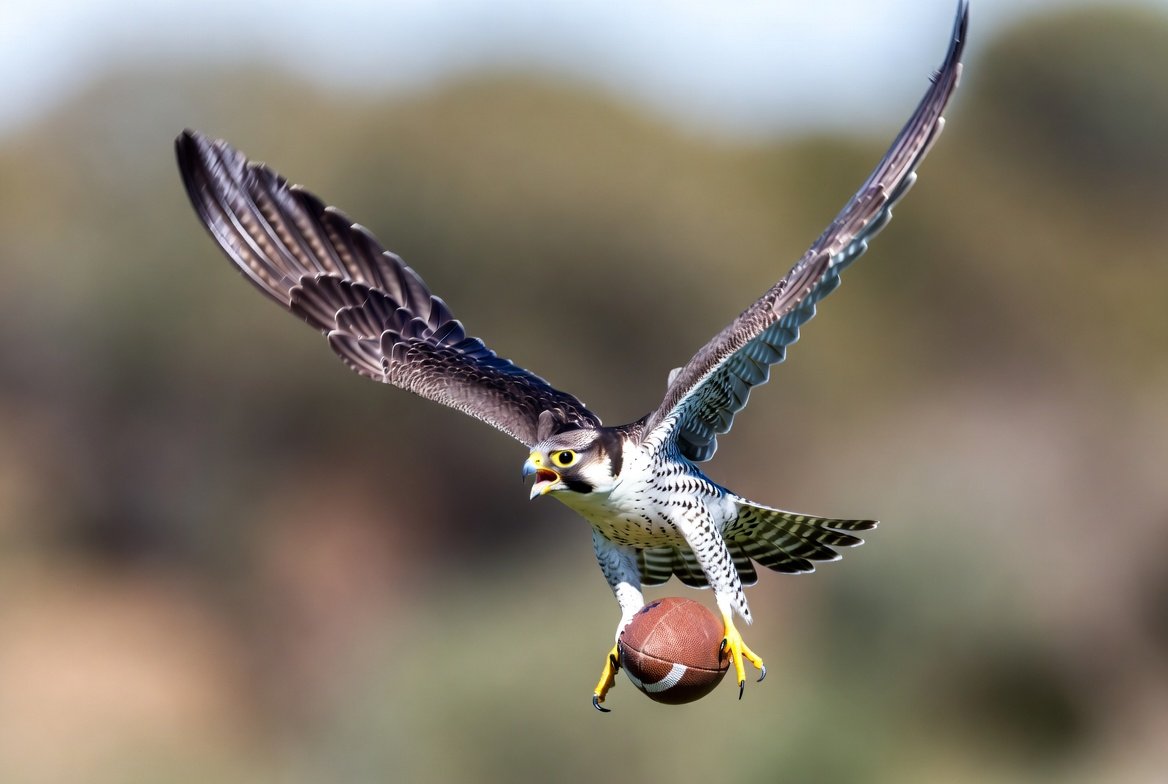
Wide Receiver — Peregrine Falcon
 Wide Receiver — Peregrine Falcon
Species: Peregrine Falcon (Falco peregrinus)
Defining Trait: Extreme speed and precision
The peregrine falcon is the fastest animal in the world, reaching over 240 mph during hunting dives. Timing, accuracy, and explosive movement define its success.
Fun Analogy:
Coverage doesn’t matter when speed breaks physics.
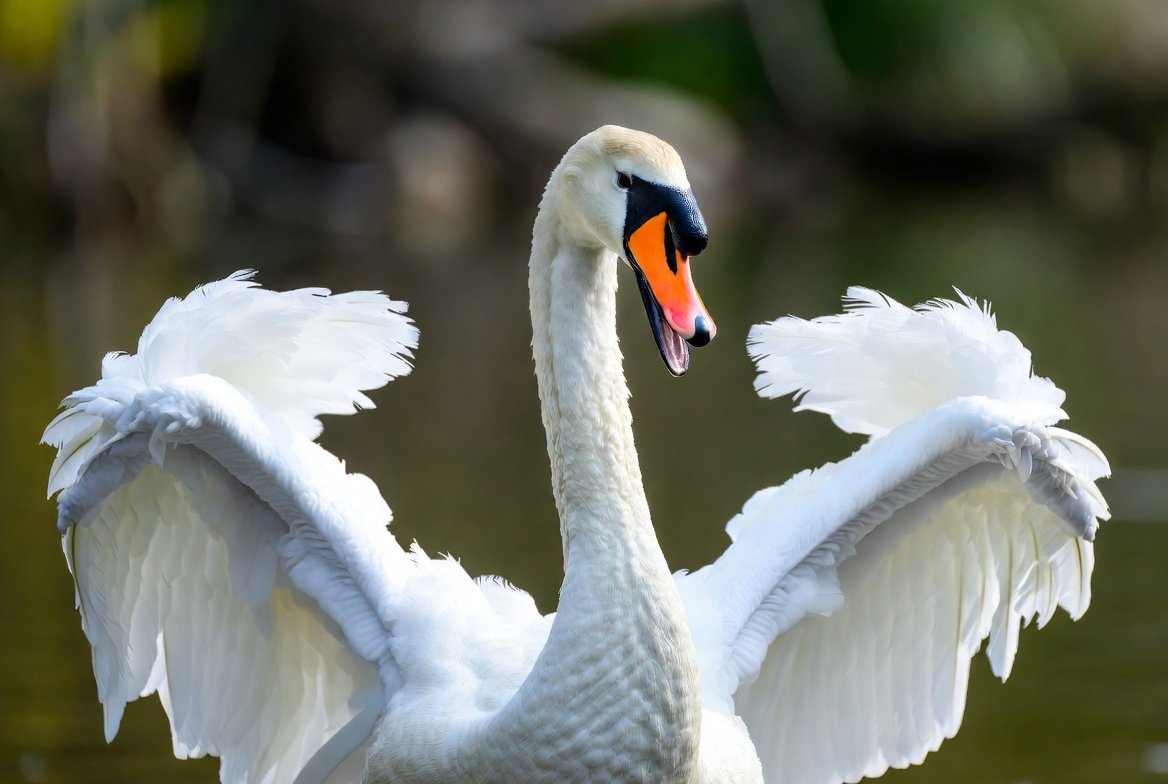
Offensive Line — Mute Swan
 Offensive Line — Mute Swan
Species: Mute Swan (Cygnus olor)
Defining Trait: Size, strength, and territorial defense
Swans are powerful birds capable of aggressive defense when protecting territory or offspring. Their sheer presence discourages challengers.
Fun Analogy:
This line doesn’t block—it intimidates.
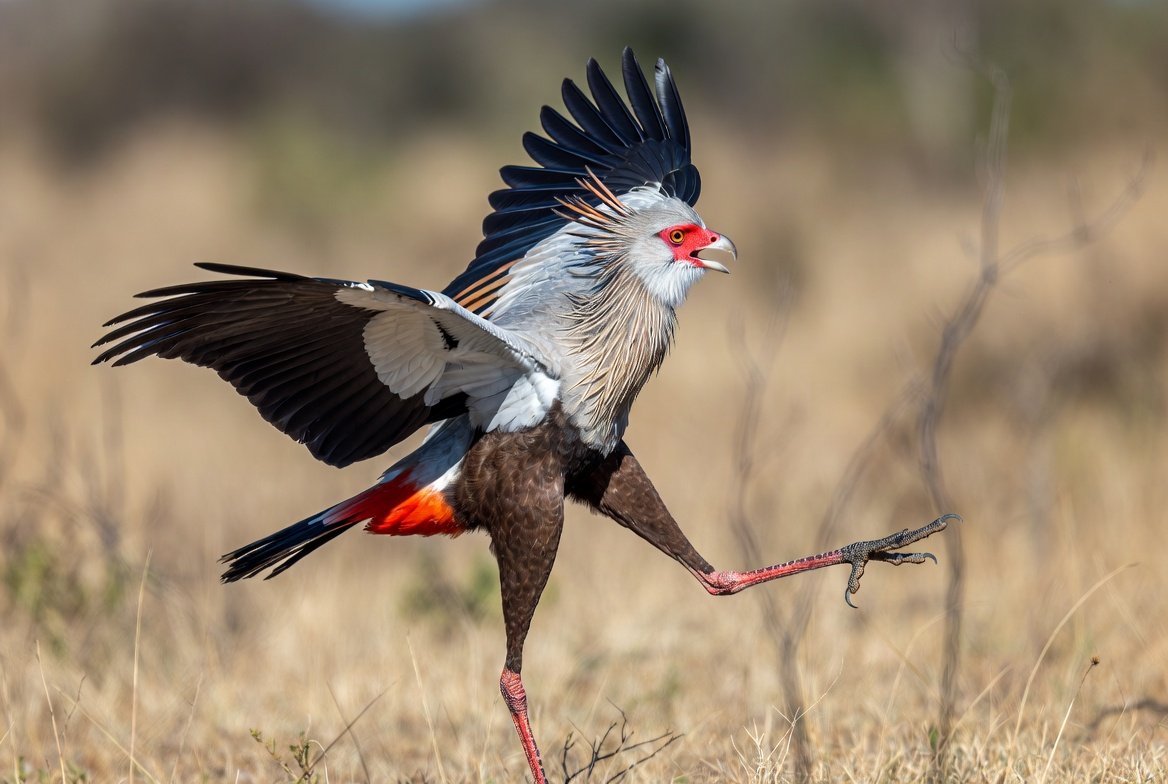
Kicker — Secretary Bird
 Kicker — Secretary Bird
Species: Secretary Bird (Sagittarius serpentarius)
Defining Trait: Precision strikes and accuracy
Known for killing prey with powerful, controlled kicks, the secretary bird combines balance, timing, and focus.
Fun Analogy:
When accuracy matters most, this bird never misses.
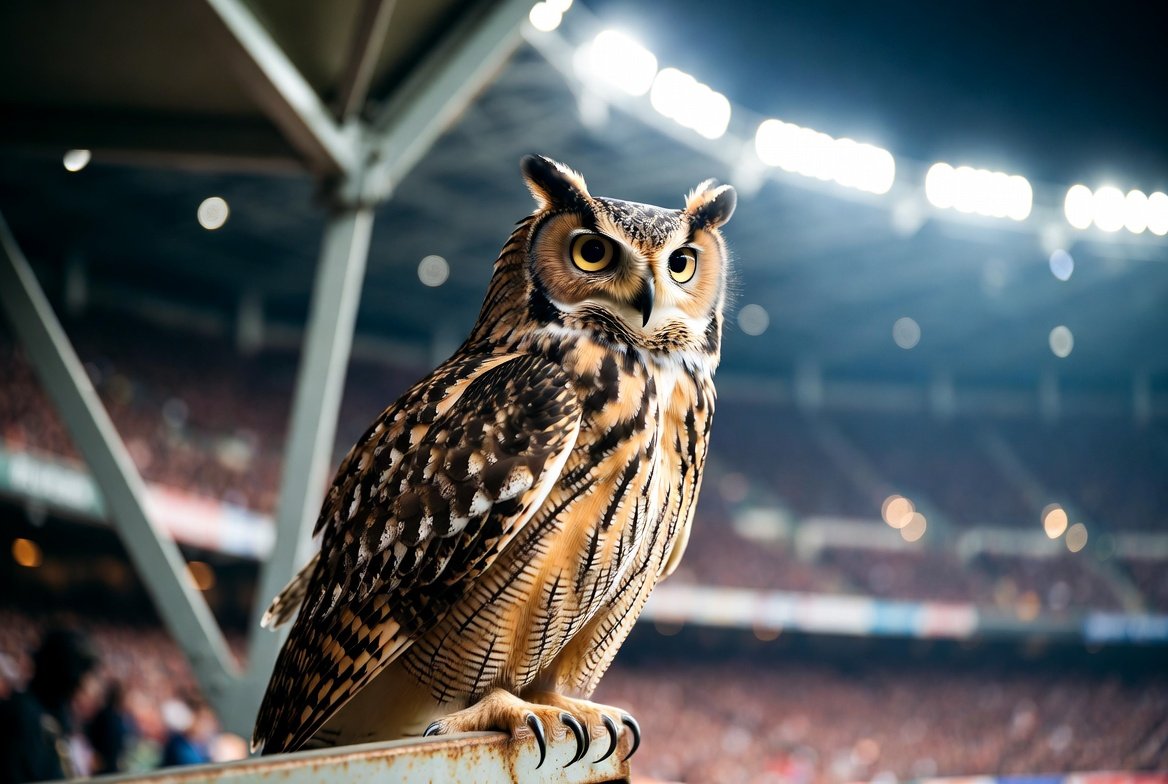
Referee — The Owl
 Referee — The Owl
Species: Barn Owl / Great Horned Owl
Defining Trait: Silent observation and superior vision
Owls see what others miss. Their ability to detect movement in darkness makes them nature’s ultimate judges.
Fun Analogy:
You won’t hear the call—but it’s already been made.
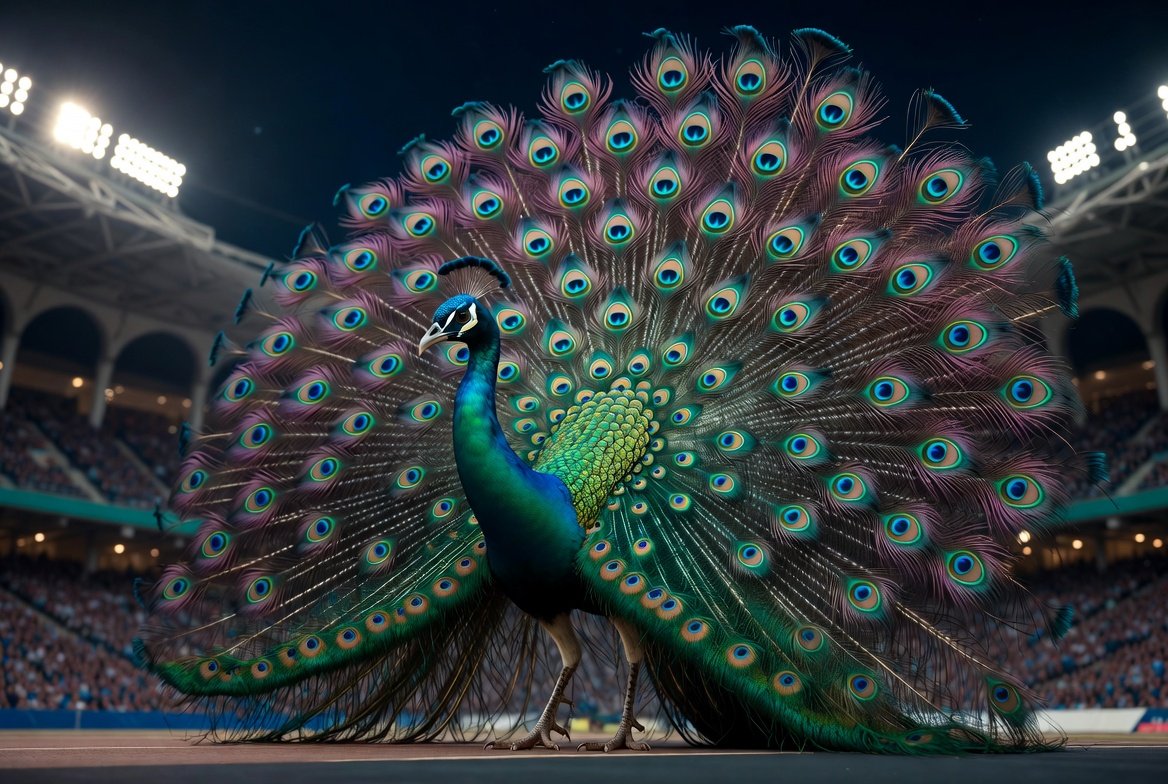
Halftime Show: When Nature Performs
Nature doesn’t need pyrotechnics.
The wildlife halftime show includes:
Peacocks displaying iridescent color explosions
Birds of Paradise performing complex courtship dances
Lyrebirds mimicking stadium sounds, music, and voices
Fireflies turning the night sky into a living light display
Short. Visual. Unforgettable.
Who Wins the Wild Super Bowl?
There is no single champion in nature.
Speed alone fails without awareness.
Strength collapses without strategy.
Intelligence struggles without cooperation.
The true winners are birds that balance physical ability, intelligence, and teamwork—the same qualities that define champions in human sports.
Evolution didn’t just design athletes.
It perfected them.
FAQ: Birds, Intelligence, and Speed
What bird is the fastest?
The peregrine falcon is the fastest animal on Earth, reaching speeds over 240 mph (386 km/h) during hunting dives.
Are birds strategic?
Yes. Many birds demonstrate planning, memory, tool use, and adaptive behavior—especially corvids, parrots, and birds of prey.
Why are corvids so intelligent?
Corvids have large brains relative to body size and highly developed problem-solving abilities. Studies show they can plan ahead, recognize individuals, and understand cause-and-effect relationships.
Final Thought
If birds played the Super Bowl, it wouldn’t just be entertainment—it would be a lesson in biology, evolution, and intelligence.
And once you see it,
you’ll never watch nature—or football—the same way again.
Read also: Olympics for Animals