Wild Wings: The Most Trending Birds in the USA Right Now (Winter 2025 Edition)
Birding in the USA has shifted. It’s no longer just about the “Life List”—it’s about the moment. As we close out 2025, the avian world is buzzing with rare winter visitors, major conservation headlines, and a newfound appreciation for our urban feathered neighbors.
Whether you are a seasoned birder or just looking out your window, here are the birds dominating the conversation in late 2025.
Key Takeaways: The 2025 Bird Trends
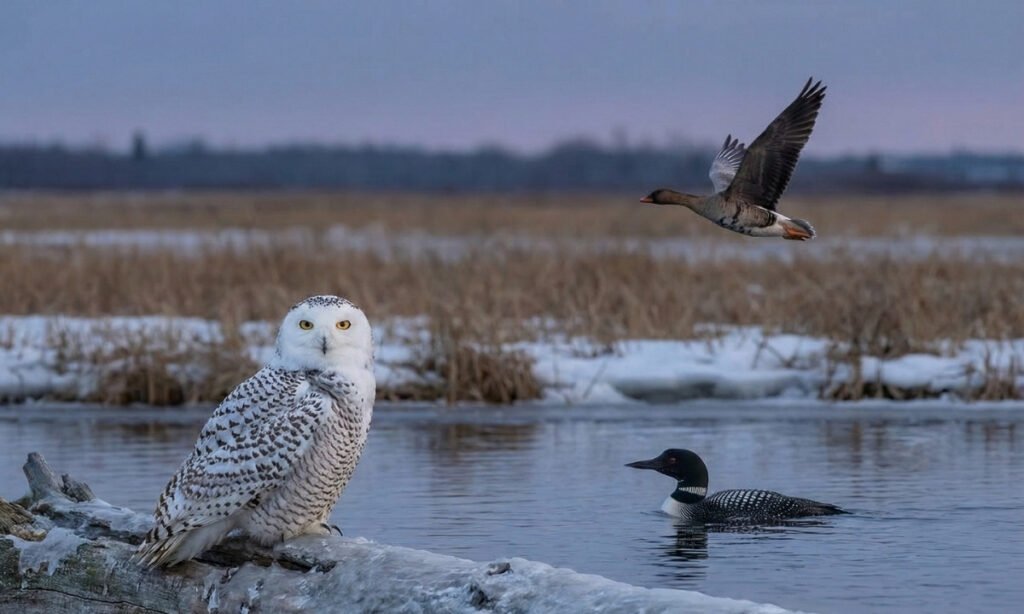
The Icon: The Common Loon reigns supreme as the ABA Bird of the Year 2025.
The Winter Star: Snowy Owls are making viral appearances in the Midwest (especially Chicago).
The Rarity: The Tundra Bean-Goose is the “chaser’s choice” in the Pacific Northwest.
The News: Caution is advised regarding wild waterfowl due to ongoing avian flu headlines.

1. The Official Icon: Common Loon (Gavia immer)
If 2025 had a mascot, it was the Common Loon. Selected as the American Birding Association (ABA) Bird of the Year 2025, this bird has been “trending” all year, but winter brings a unique opportunity to see them in a different light.
Why It’s Trending Now:
While we associate loons with summer lakes in the North, right now (December/January), they are wintering on the coasts (Atlantic, Pacific, and Gulf). They trade their striking black-and-white plumage for a subtle, ghostly gray. Birders are currently obsessed with spotting these “winter loons” and hearing their haunting calls, which symbolize the American wilderness.
Where to see them now: Coastal waters from Maine to Florida, and Washington to California.
Wildbloo Tip: Look for a low-profile silhouette on the water. They dive frequently, so patience is key!
2. The Viral Sensation: Snowy Owl (Bubo scandiacus)
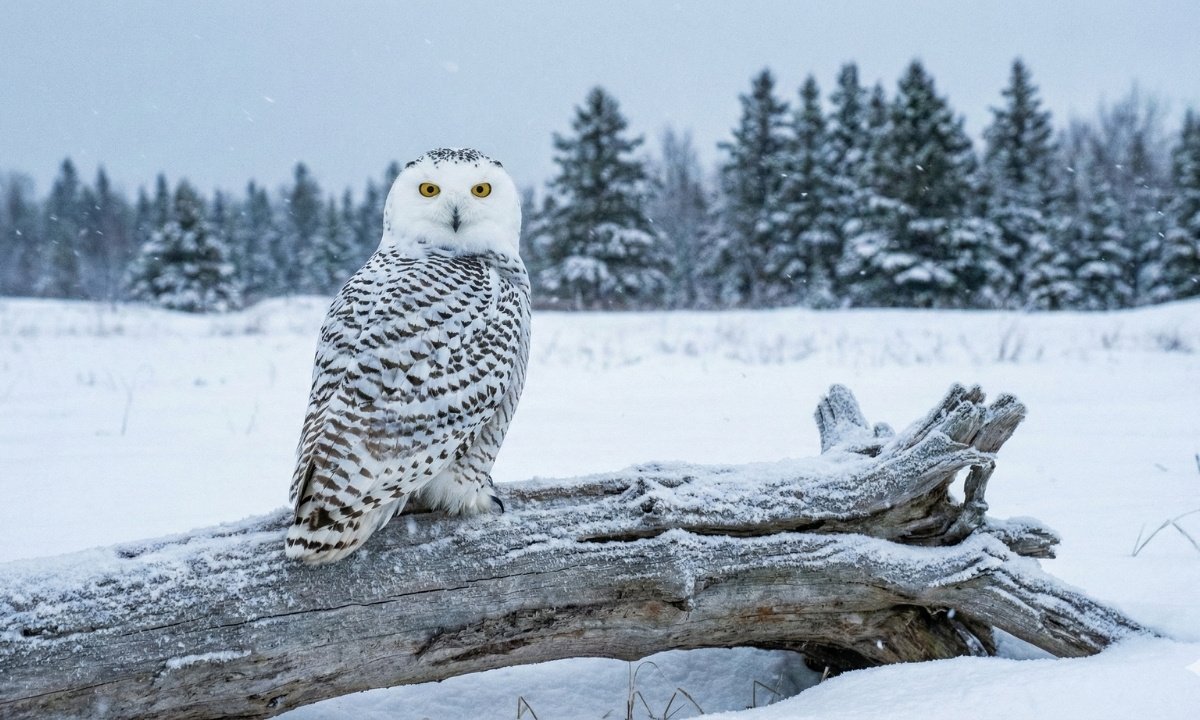
The “Harry Potter bird” is back in the spotlight. Late 2025 has seen a significant number of Snowy Owl reports, particularly in the Great Lakes region (Chicago lakefronts are currently hot spots) and the Northeast.
The “Choc-Ice” Trend
Social media (TikTok/Instagram) is currently full of Snowy Owl photos. Their stark white plumage against the winter gray makes them incredibly photogenic. However, the trend this year is ethical birding. Influencers are pushing the message: Use a telephoto lens, do not bait, and give them space.
Current Hotspots: Chicago (IL), Plum Island (MA), and open fields in Minnesota.
Trend Alert: “Urban Snowies”—owls appearing near airports and city beaches—are generating massive local news coverage this month.
3. The “Chaser’s” Choice: Tundra Bean-Goose
For the hardcore birders (the “Listers”), there is one bird causing road trips in the Pacific Northwest right now: the Tundra Bean-Goose.
Why It’s a Big Deal:
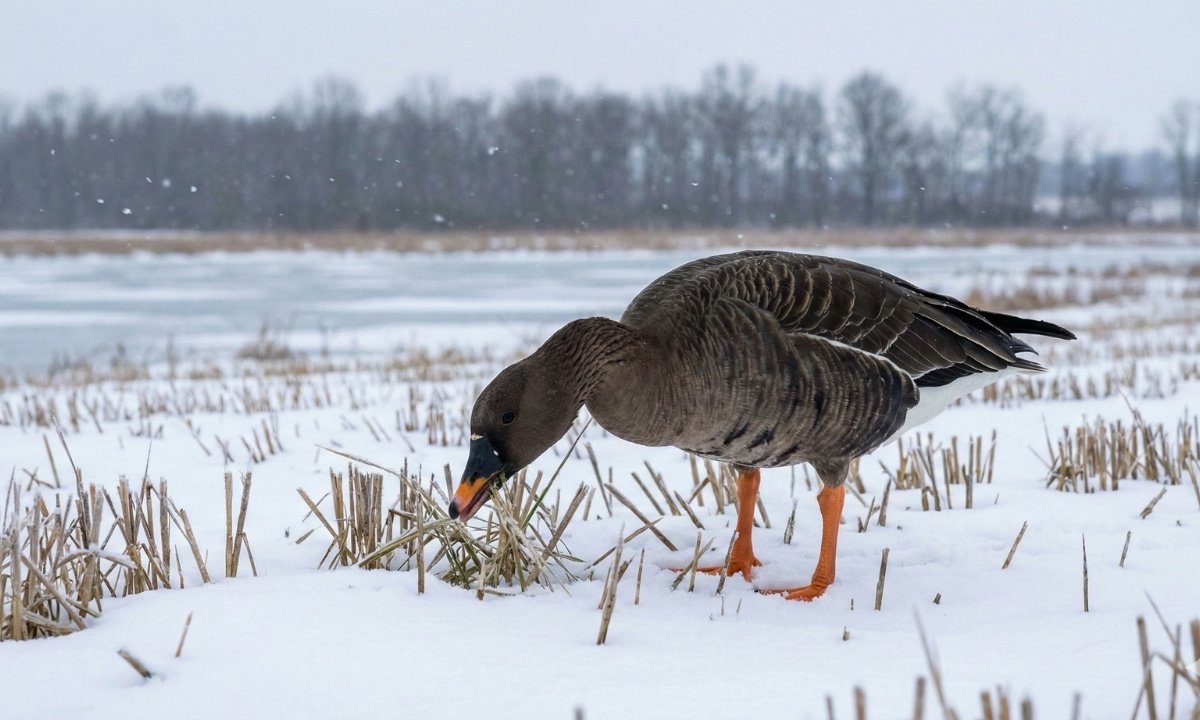
This is an Asian species that rarely wanders into the Lower 48. Sightings in Oregon and Washington in late 2025 have mobilized thousands of birders. When a bird like this appears, it becomes an instant “mega-rarity” event, dominating birding forums and Rare Bird Alerts (eBird).
Identification: Look for a goose that resembles a Greater White-fronted Goose but with an orange band on the bill and bright orange legs.
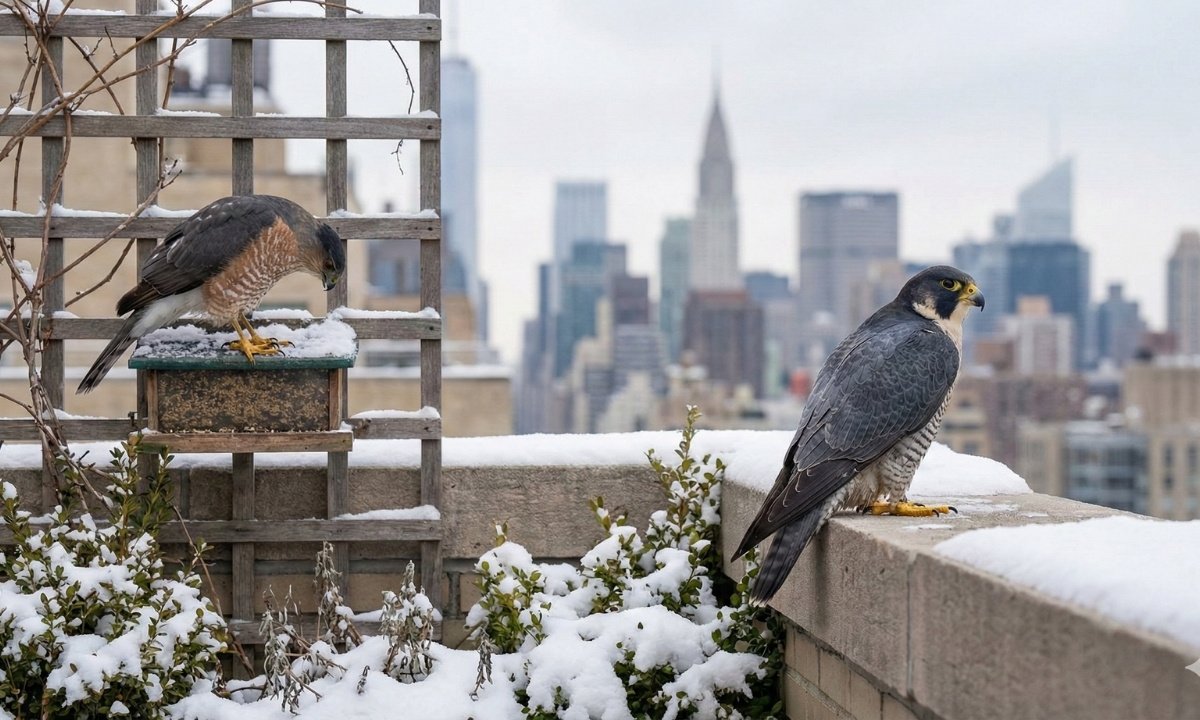
4. The Urban Adapters: Cooper’s Hawks & Peregrine Falcons
You don’t need to travel to the wilderness to find trendy birds. In 2025, there has been a surge of interest in “Patch Birding” (birding in your immediate local area). The stars of this show are the raptors that have learned to hack our infrastructure.
What’s happening: With the leaves off the trees in winter, urban Cooper’s Hawks are easier to spot hunting backyard feeders. Meanwhile, Peregrine Falcons are being live-streamed from nesting boxes on skyscrapers across US cities.
The Vibe: These birds represent nature’s resilience. They are trendy because they are accessible to everyone, right in the city center.
Important Safety Note: The “Bird Flu” Headlines
We cannot talk about 2025 bird trends without addressing the news. The H5N1 avian influenza has been a major story this year.
The Trend: Awareness. Birders are now acting as citizen scientists, reporting sick birds rather than just watching them.
Action: If you see a bird (especially waterfowl or raptors) acting uncoordinated or lethargic, do not touch it. Contact your local wildlife agency.
Final Thoughts: Get Your Binoculars Ready
The trends of late 2025 are a mix of the majestic (Common Loon), the magical (Snowy Owl), and the rare (Bean-Goose). But the biggest trend of all? Connection. Whether it’s sharing a sighting on eBird or reading a blog like Wildbloo, the US birding community is more connected than ever.
Head out this weekend—you never know what trending celebrity might fly past your window.